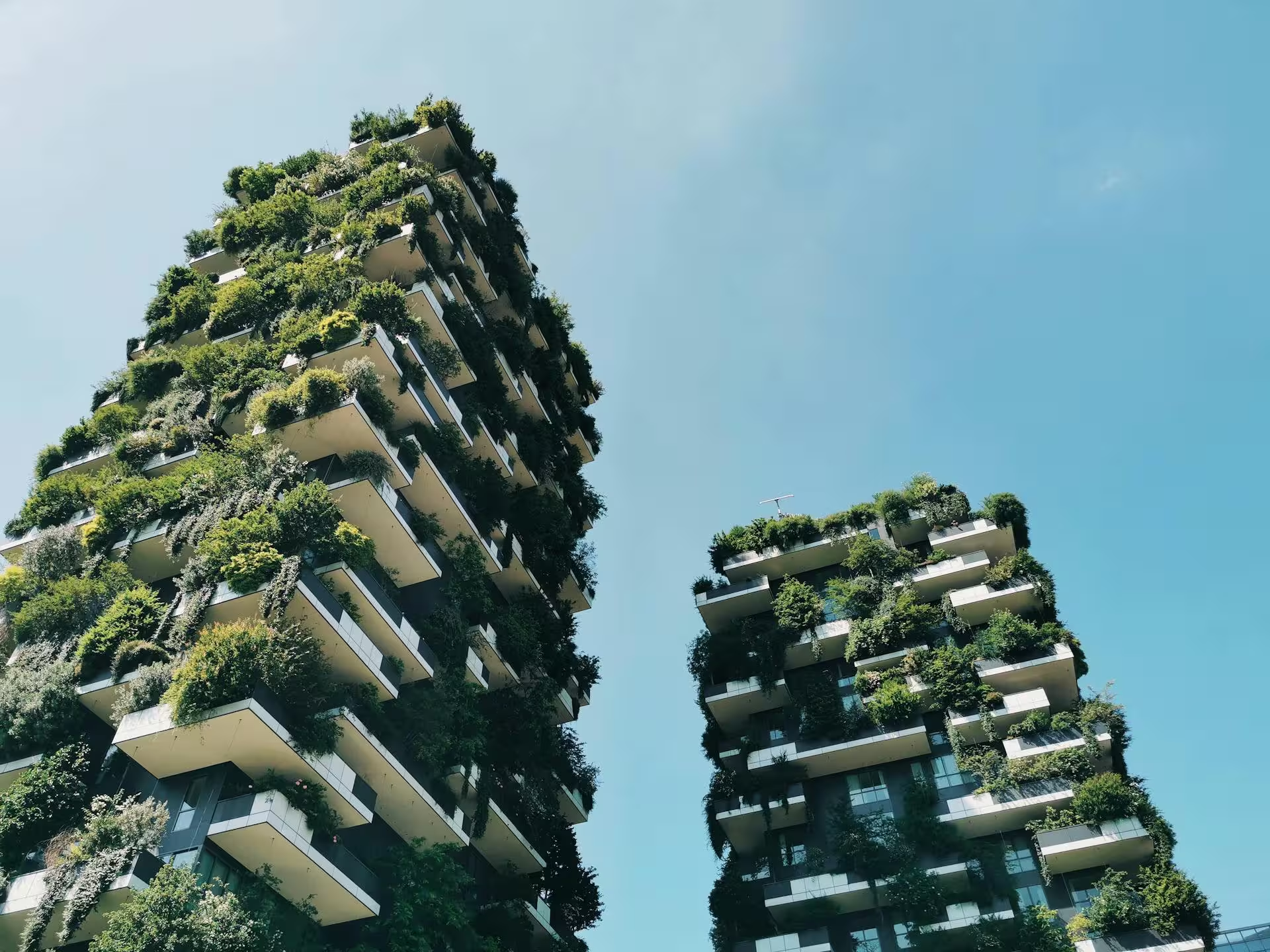

Más Allá de la Imagen: Cómo los Renders 3D Están Redefiniendo el Marketing Inmobiliario


En el sector inmobiliario, la carrera por vender comienza mucho antes que la construcción. Durante décadas, los desarrolladores se apoyaron en planos, maquetas a escala y renders que apenas rozaban la superficie de lo que un proyecto terminado transmitiría. Hoy, las reglas han cambiado por completo. La visualización 3D fotorrealista se ha convertido en la herramienta de venta más importante del arsenal del desarrollador inmobiliario moderno.
En Owly, hemos trabajado con decenas de desarrolladores inmobiliarios en toda Latinoamérica y hemos visto de primera mano cómo la calidad de los activos visuales impacta directamente en las tasas de conversión en preventa. Los datos no mienten: los proyectos con renders inmersivos y fotorrealistas superan de forma consistente a los que dependen de materiales tradicionales, a veces por un factor de tres.
Por qué las imágenes ya no son suficientes
Hace una década, una fotografía bien iluminada de un apartamento modelo bastaba para generar interés. Los compradores recorrían el espacio, lo imaginaban y terminaban comprometiéndose. El comprador de hoy es distinto: es digital-first, visualmente culto, y toma decisiones a partir de lo que ve en una pantalla, muchas veces antes de visitar una sala de ventas.
Este cambio ha generado una demanda sin precedentes de contenido visual que comunica un estilo de vida, no solo metros cuadrados. Los compradores no quieren ver una habitación: quieren sentir que ya están viviendo allí. Eso es precisamente lo que logra un renderizado 3D de alta calidad.

Los tres pilares del marketing inmobiliario visual
Tras analizar cientos de campañas, hemos identificado tres elementos visuales fundamentales que definen el marketing inmobiliario exitoso de hoy. Cada uno se construye sobre el anterior, creando una experiencia por capas que guía al comprador desde el descubrimiento hasta la decisión.
1. Renders exteriores fotorrealistas
La primera impresión lo es todo. Un render exterior debe hacer más que mostrar un edificio: debe vender un estilo de vida, un barrio, una sensación. Los mejores renders exteriores incluyen:
- Simulación de iluminación precisa que refleja la hora del día y la estación
- Paisajismo contextual y el entorno circundante
- Figuras humanas y elementos de estilo de vida que dan escala al espacio
- Profundidad atmosférica a través del cielo, el clima y la luz ambiental
- Múltiples ángulos de cámara para maximizar el storytelling visual
2. Visualización de interiores
Los renders de interiores son donde ocurre la conexión emocional. Ahí el comprador decide si puede imaginar su vida dentro de ese espacio. Los elementos clave incluyen el realismo de los materiales: la textura de las encimeras de mármol, la calidez de los pisos de madera, la calidad de la luz que entra por las ventanas a distintas horas.
Un render que hace sentir algo a un comprador vale más que mil metros cuadrados de ficha técnica.
— Pablo González, General Manager, Owly
3. Recorridos virtuales inmersivos
La evolución más allá de los renders estáticos es el recorrido virtual 360°. Estas experiencias interactivas permiten a los compradores desplazarse por un proyecto como si estuvieran físicamente presentes, controlando su propia exploración. Combinada con visores de realidad virtual, esta tecnología ha permitido a los desarrolladores vender unidades a compradores internacionales que quizás nunca visiten el lugar físico antes de firmar.
El ROI de la inversión visual
La objeción más común que escuchamos de los desarrolladores es el costo. La producción 3D de alta calidad es una inversión, pero el retorno es medible y consistente. Considera estos referentes de nuestro portafolio:
- Tasas de clics entre 35 % y 45 % más altas en anuncios digitales con renders fotorrealistas frente a fotografías de espacios similares
- 28 % de reducción en la duración del ciclo de ventas en proyectos con paquetes completos de recorridos virtuales
- 60 % más de leads internacionales generados por proyectos con experiencias virtuales inmersivas
- Hasta 3 veces más velocidad de preventa en condiciones de mercado comparables

Integrar las visuales en una estrategia de marketing completa
Los renders excepcionales son la base, pero rinden al máximo cuando se integran en un ecosistema de marketing cohesionado. Esto significa alinear tus activos visuales con tu estrategia de branding, la publicidad digital, las landing pages y tu presencia en redes sociales.
Para profundizar en cómo construir una estrategia digital completa en torno a tus activos visuales, lee nuestro artículo sobre Diseño que Convierte: Landing Pages para Proyectos Inmobiliarios o explora cómo hemos aplicado estos principios en nuestro trabajo con clientes.
El futuro del marketing inmobiliario no se trata de mostrar propiedades, sino de hacer que las personas se enamoren de un estilo de vida que aún no han experimentado.
— Equipo Creativo de Owly
Conclusión: la calidad visual es una estrategia de ventas
Los desarrolladores que ganan en el mercado actual entienden una cosa: la calidad visual no es un gasto de marketing, es una estrategia de ventas. Cada hora dedicada a perfeccionar un render, cada fotograma de un recorrido virtual, cada detalle de una imagen de estilo de vida es una inversión que acelera directamente los ingresos.
En Owly, hemos hecho nuestra misión cerrar la brecha entre la visión arquitectónica y la emoción del comprador mediante las técnicas de producción visual más avanzadas disponibles. Si estás listo para transformar cómo se percibe y se vende tu proyecto, hablemos.
Comparte este artículo