
Caso de Estudio: Unificando la Visión en Desarrollos de Uso Mixto


Los proyectos de uso mixto son el futuro del urbanismo, pero plantean el mayor desafío comercial de la industria: ¿Cómo vender un apartamento de lujo a una familia que busca tranquilidad, mientras al mismo tiempo vendes el local comercial de la planta baja a un restaurante de alto tráfico? La respuesta no está en dividir tus esfuerzos; está en usar la tecnología para crear una narrativa cohesiva que eleve el valor de todo el proyecto.
El Desafío de Múltiples Audiencias
Para este caso, analizamos el enfoque de un macro-proyecto urbano. El desarrollador enfrentaba bajas tasas de conversión porque su sitio web mezclaba información corporativa y residencial, confundiendo tanto a los inversores B2B como a los compradores B2C. Cada audiencia sentía que la plataforma no estaba hecha para ellos — y tenían razón. El resultado fue una alta tasa de rebote en ambos segmentos y un equipo de ventas que no lograba entregar un discurso consistente.
La Solución: Un Ecosistema Segmentado pero Integrado
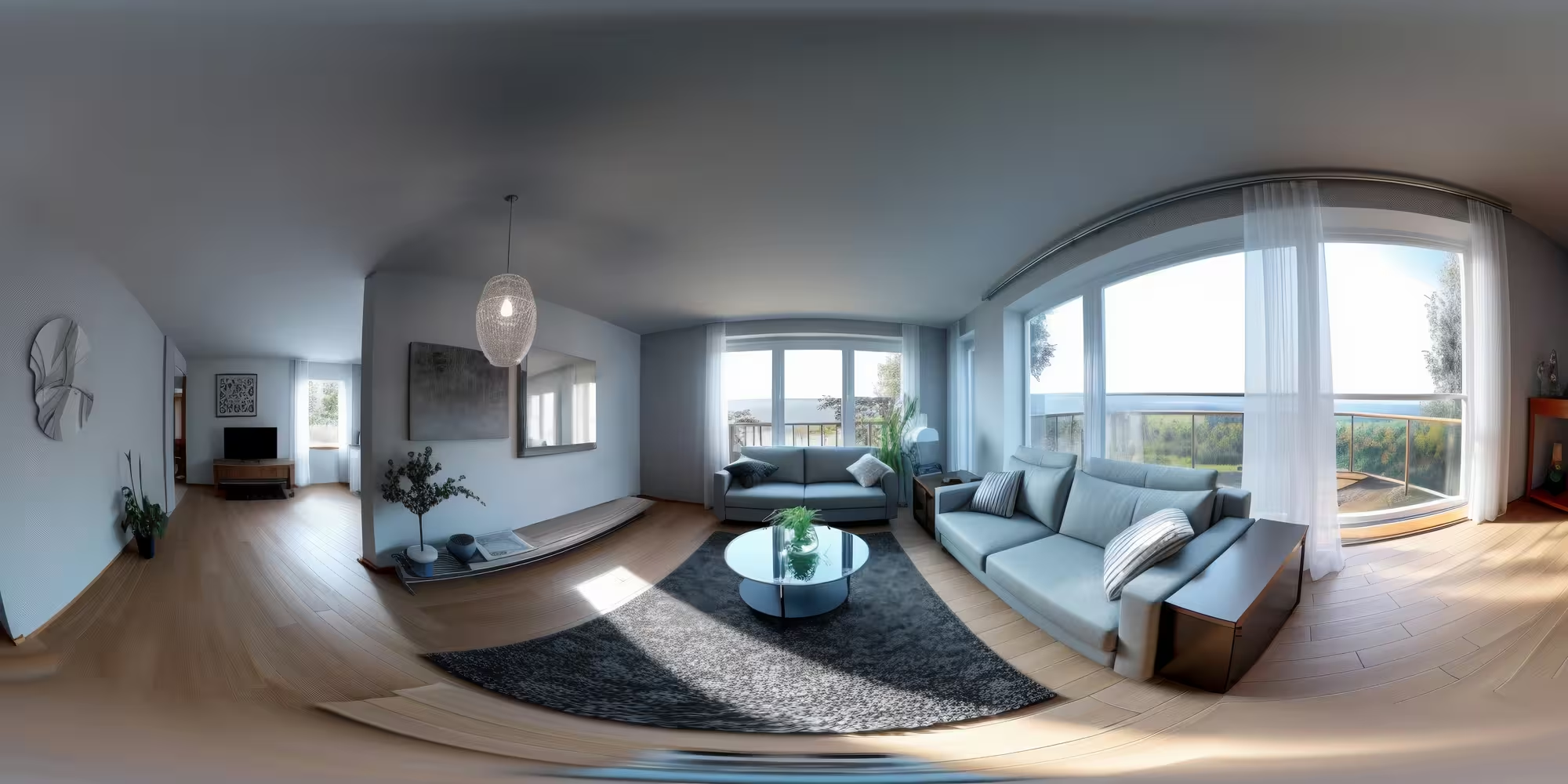
A través de la metodología de Owly, se implementó una infraestructura digital para poner orden en el caos. Una plataforma central de UX inteligente con navegación adaptativa: si un usuario entraba buscando oficinas, la interfaz y los recorridos 360° priorizaban la conectividad, las salas de juntas y el flujo comercial. Si buscaba vivienda, el foco cambiaba instantáneamente hacia las amenidades privadas y el storytelling familiar. A pesar de la segmentación visual, todos los datos alimentaban un único CRM — permitiéndole al desarrollador descubrir oportunidades de venta cruzada, como empresarios que compraban oficinas y que finalmente invertían en apartamentos de renta corta en la misma torre.
"La complejidad de un proyecto de uso mixto no debe trasladarse al cliente. La tecnología es lo único que puede traducir un plan maestro complejo en una decisión de inversión clara y segura."
— Pablo González, Gerente General, Owly
El Impacto
Al tratar la construcción no como edificios separados sino como una ciudad interconectada, el desarrollador logró vender el 85% del espacio comercial en preventa, lo que disparó los valores de las propiedades y aceleró la venta de las unidades residenciales en tiempo récord.
Conclusión
La tecnología de visualización, respaldada por un ecosistema de datos robusto, es lo único que puede traducir un plan maestro complejo en una decisión de inversión clara y segura. Los desarrolladores que dominen hoy la estrategia multi-audiencia serán quienes definan los skylines urbanos del mañana.
Comparte este artículo