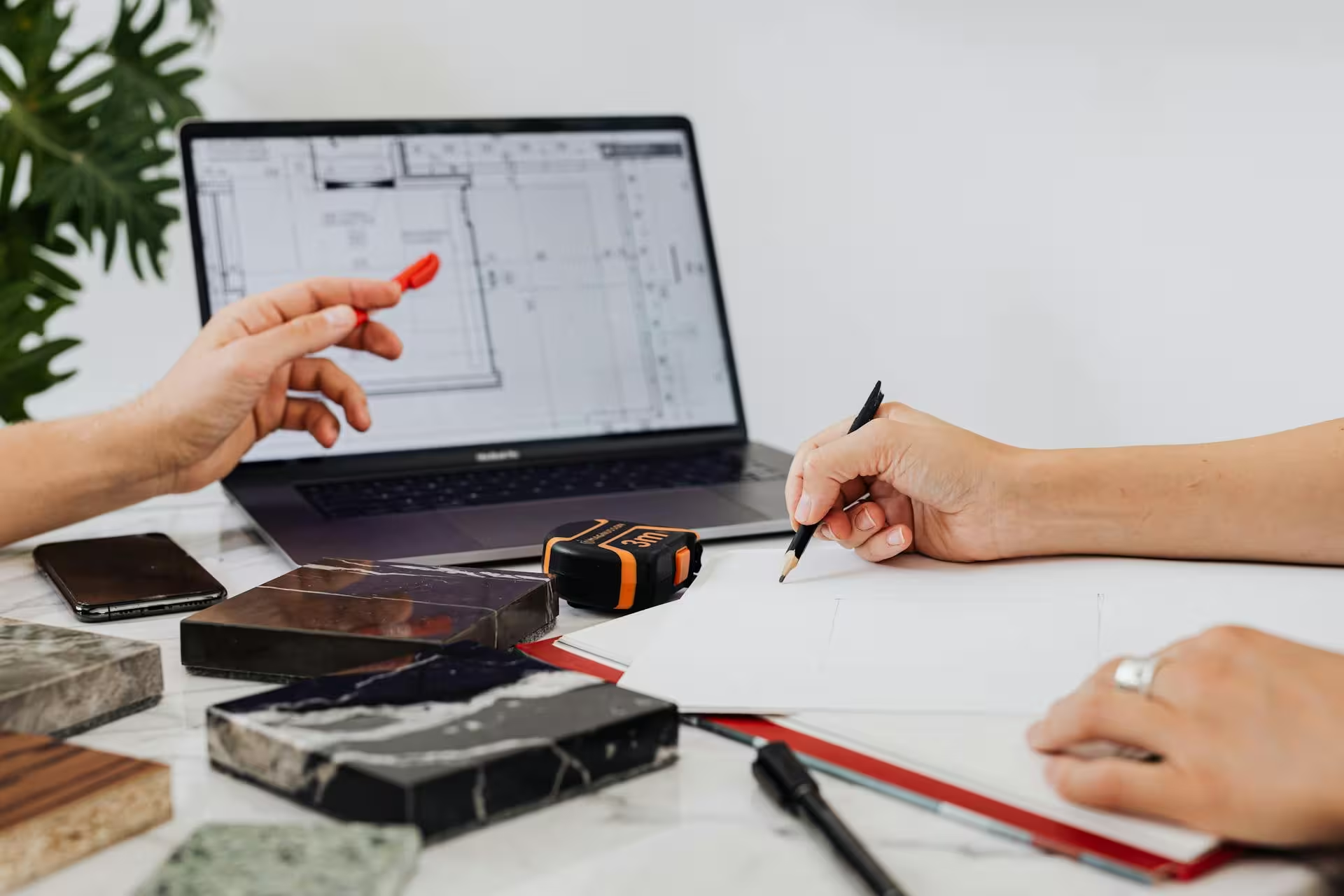

El Futuro de las Ventas: Showrooms Virtuales vs. Salas de Ventas Tradicionales


Durante décadas, el éxito de un proyecto inmobiliario en preventa dependió casi exclusivamente de su sala de ventas física. Estas estructuras, a menudo temporales y costosas de construir, limitaban el alcance de un proyecto a los compradores locales. Hoy, la digitalización y el renderizado en tiempo real han cambiado las reglas del juego. El Showroom Virtual de Owly no solo rompe las barreras geográficas, sino que redefine cómo los clientes interactúan con los espacios antes de colocar el primer ladrillo.
El Verdadero Costo de lo Físico vs. el Alcance de lo Digital
Construir un apartamento modelo físico implica permisos, materiales, diseño de interiores, personal y mantenimiento. Según estimaciones del sector, una sala de ventas premium puede costar cientos de miles de dólares, una inversión que literalmente se demuele cuando termina la construcción. En contraste, un showroom virtual requiere una fracción de esa inversión y ofrece un retorno infinitamente escalable.
- Disponibilidad 24/7: Tu proyecto no cierra por festivos ni depende de los horarios de los asesores.
- Alcance Global: Un inversor en Dubái o Nueva York puede recorrer tu desarrollo en Miami o Bogotá con el mismo nivel de detalle que si estuviera allí.
Personalización en Tiempo Real: El Cierre Emocional
En una sala de ventas física, los clientes deben imaginar cómo se verían los acabados oscuros si el apartamento modelo tiene acabados claros. En un entorno virtual interactivo, la personalización sucede en tiempo real. Poder cambiar los materiales del piso, los colores de la cocina o incluso la iluminación según la hora del día (amanecer, tarde, noche) genera una sensación psicológica de propiedad. Cuando un cliente personaliza su espacio, el compromiso emocional con la compra aumenta drásticamente.
"Cuando un cliente personaliza su espacio, el compromiso emocional con la compra aumenta drásticamente."
— Santiago Paz, Director de Recorridos Virtuales, Owly
Sostenibilidad y Eficiencia
Los desarrollos inmobiliarios modernos buscan la sostenibilidad, y esto debería reflejarse desde el mismo proceso de ventas. Reemplazar las maquetas arquitectónicas de plástico y el papel impreso por experiencias alojadas en la nube reduce significativamente la huella de carbono de la fase de marketing.
Conclusión
La tecnología no está aquí para reemplazar al equipo de ventas; está aquí para potenciarlo. Un showroom virtual es la herramienta de cierre definitiva que construye confianza a través de la transparencia visual. Es hora de llevar tu proyecto inmobiliario a donde están tus compradores: el mundo digital.
Comparte este artículo