
La Psicología del Color en Inmobiliaria: Conectando la Identidad con Todo el Proyecto


En el sector inmobiliario, las primeras impresiones no solo captan la mirada: hablan directamente al subconsciente. Sin embargo, un error común es pensar que la selección de color es un ejercicio puramente de diseño gráfico. La realidad es que una estrategia de color exitosa no se trata solo del branding corporativo, sino de cómo esta paleta comunica la realidad de todo el proyecto: su ubicación geográfica, los materiales de construcción utilizados y el estilo de vida que promete.
El Color como Extensión de la Arquitectura
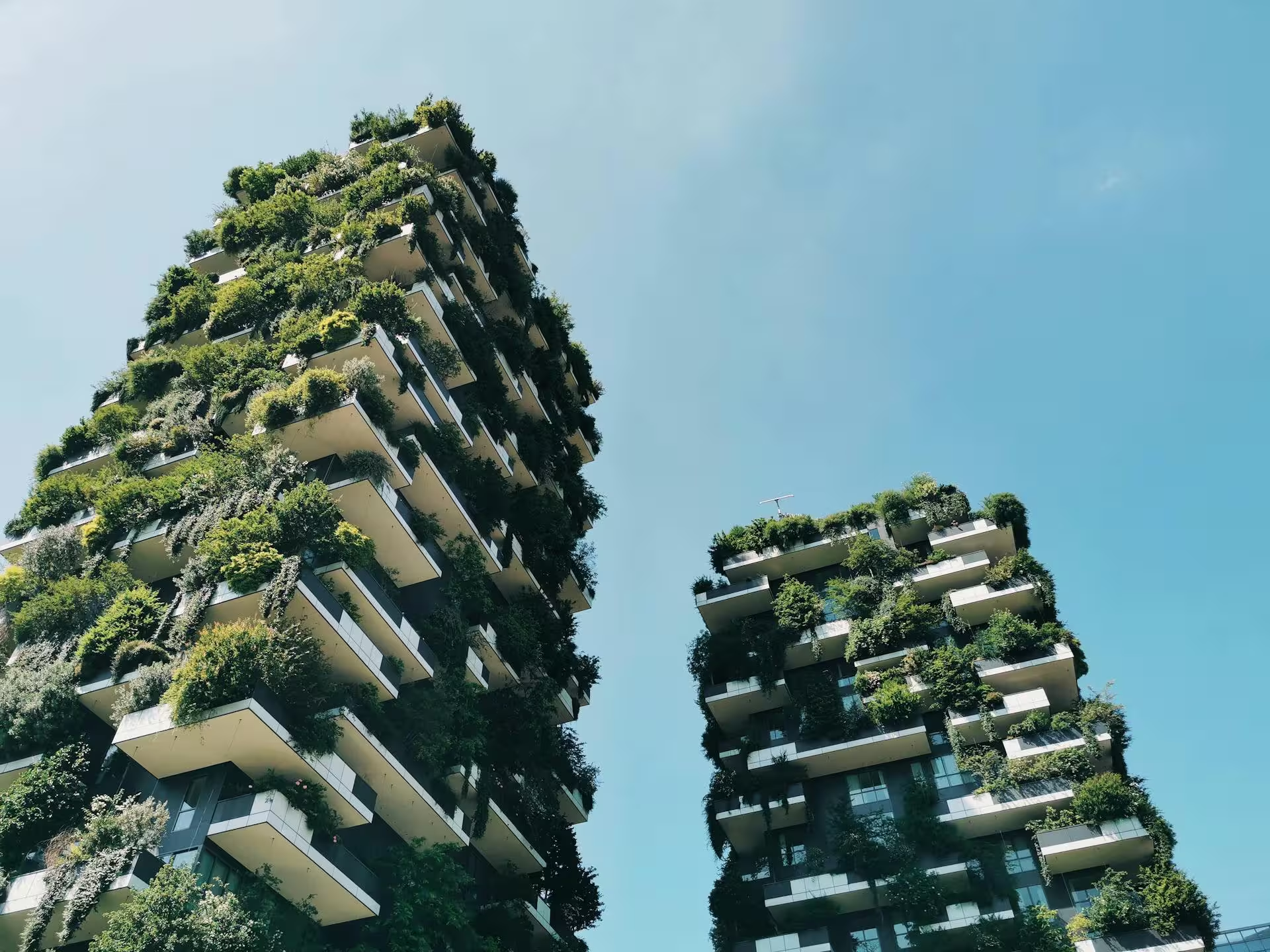
Los colores de tu material de ventas deben ser un reflejo honesto de la construcción física. Si un proyecto se destaca por su uso de maderas naturales, concreto a la vista y grandes ventanales rodeados de vegetación, la paleta digital debe anclar al usuario en esa misma experiencia táctil.
- Arena, terracota y verdes suaves: generan una conexión inmediata con la naturaleza, la sostenibilidad y el bienestar. Son el estándar de oro para proyectos tipo "Reserva", eco-resorts o viviendas suburbanas de baja densidad.
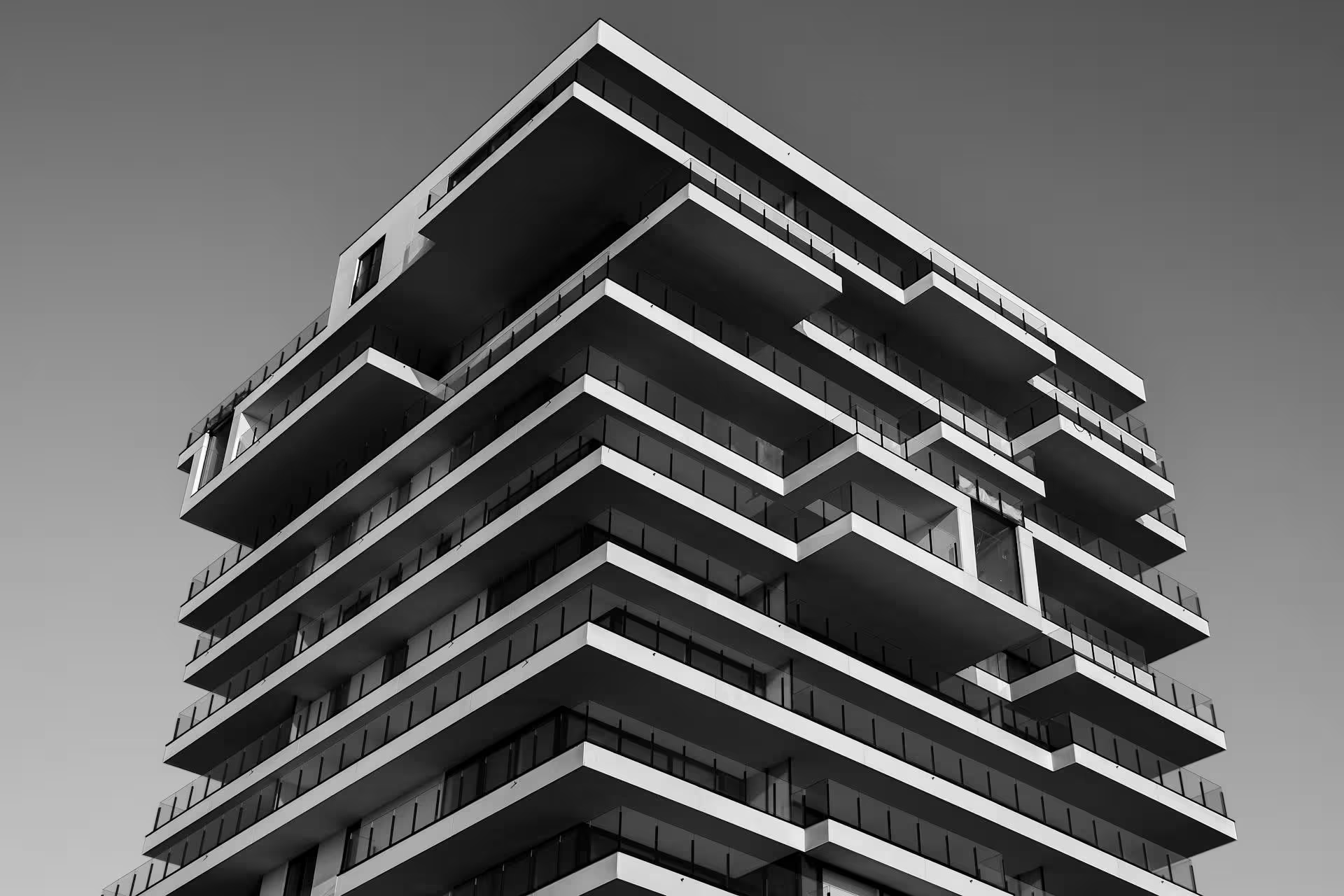
- Negro, dorado y carbón: transmiten elegancia, exclusividad y solidez financiera. Ideales para rascacielos corporativos o penthouses en el distrito financiero.
- Azules profundos y grises: evocan seguridad, confianza y profesionalismo, ampliamente utilizados por fondos de inversión y desarrollos institucionales.
Segmentación Emocional del Comprador
Los distintos perfiles demográficos responden a estímulos visuales diferentes. Los inversores más jóvenes (Millennials y Generación Z) tienden a inclinarse hacia marcas con paletas limpias y minimalistas, con acentos vibrantes que sugieren innovación y tecnología (Smart Homes). Por otro lado, el mercado tradicional de lujo, compuesto por compradores de alto patrimonio, busca sobriedad y atemporalidad.
"Elegir los colores correctos no es una cuestión de gusto personal. Es una decisión de negocio."
— Jenifer Grillo, Directora de Estrategia de Marca, Owly
Conclusión
Cuando la identidad visual está perfectamente alineada con la visión arquitectónica y el perfil del comprador, el proyecto deja de ser solo un edificio en un plano y se convierte en una marca de deseo.
Comparte este artículo